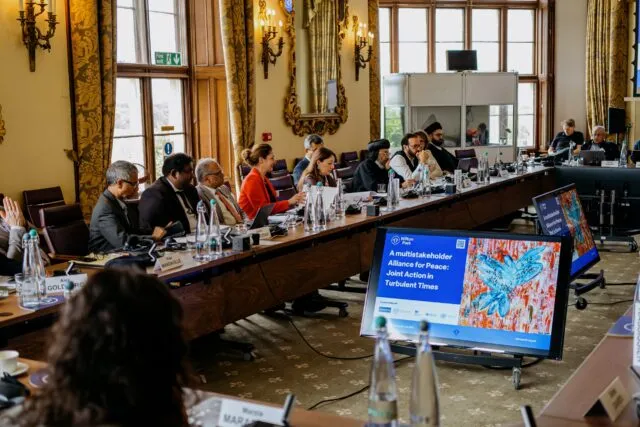
This week sees the first ever United Nations International Week of Peacebuilding. At Wilton Park we’ve been doing a lot of reflecting recently on the changing nature of peacebuilding, as we mark our 80th anniversary and our historic mandate to promote peace through dialogue.
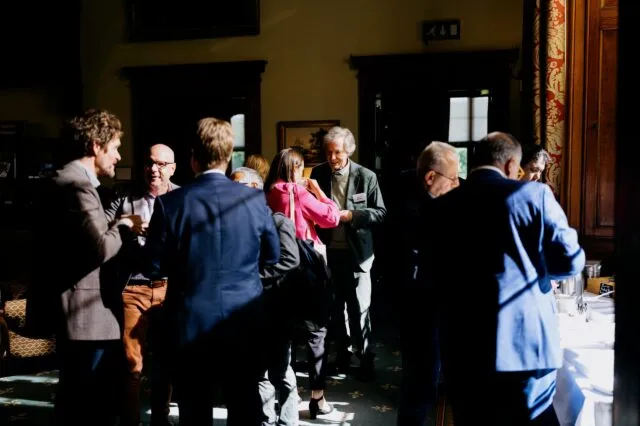
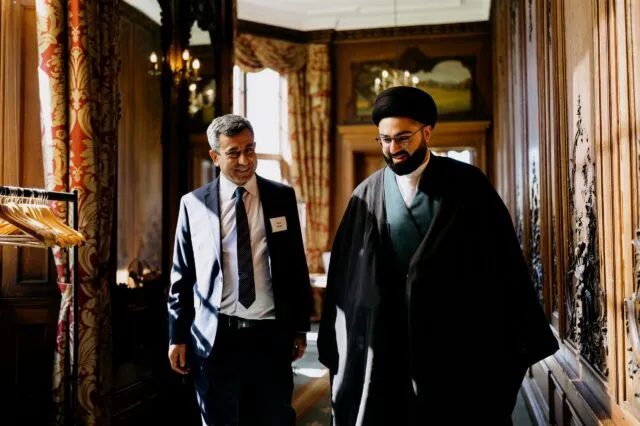
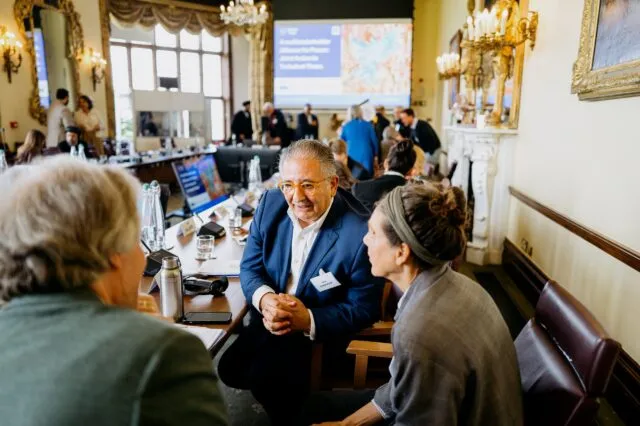
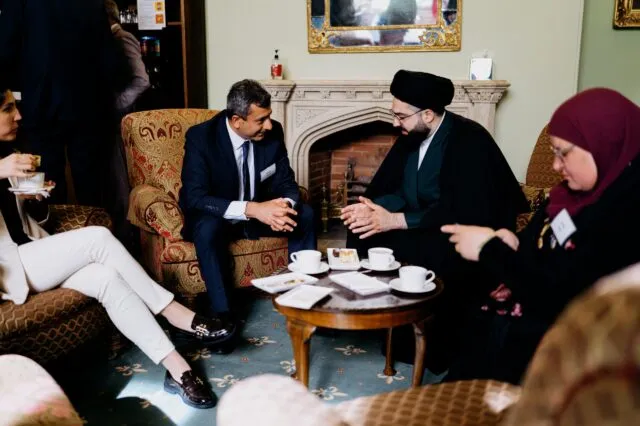
We continued that tradition earlier this month, in partnership with Globethics, the Inter-Parliamentary Union, the Office of the United Nations High Commissioner for Human Rights, the British Embassy to the Holy See and the United Nations Association UK, by hosting a dialogue on Changing the Narrative: Preparing for peace. That was the title of a new White Paper, written as a result of a series of dialogues we’ve hosted with our partners in recent years, exploring how to promote peaceful coexistence
A key recommendation of the White Paper was the idea of forming a new Alliance for Peace, bringing together policy makers, civil society activists, politicians and faith leaders to give voice to the silent majority who support peace. That, of course, resonates with Pope Leo XIV’s recent call for people to come together against the madness of war, to show there’s a better way and that peace is possible.
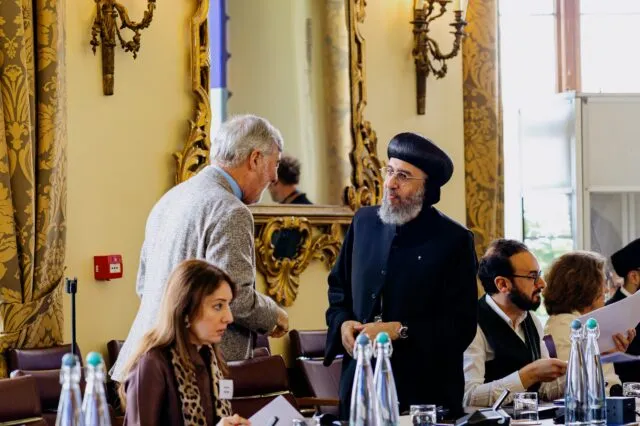
That call was taken up by one of our opening speakers, Cardinal Koovakad, the Head of the Vatican’s Dicastery for Inter-religious Dialogue. For him, the need of the hour is indeed such a new alliance for peace and reconciliation – what he called a new covenant of humanity which recognises that every life is sacred.
And that was the central message from our dialogue – that every human being matters, that every human being has value and dignity and that no human life is more important than another. How to put the value and dignity of each human being at the centre of international policymaking and at the centre of decisions about how countries relate to each other and to their people was our challenge.
At its most simple there was the message that we should seek agreement on three things: not killing other human beings; speaking about everyone as human beings, even those perceived as our enemies, and committing to caring for all of those impacted by war regardless of their country or affiliation, remembering that we share more than that which divides us.
Over three days we heard a repeated call that now was the time to reimagine and rethink peace. It was suggested that the beginning of that reimagining or rethinking was to ask two deceptively straightforward questions: what’s the future we want and what’s the future we dread? And that the answer to those questions should shape what we do now.
There was agreement, of course, that all this needs political will and leadership. And where might that courageous and prophetic leadership come from? Not just from politicians and from faith leaders who are prepared to speak out, risking their political careers or alienating their followers. It can also come from women and young people who are peace-makers on the ground; who create the climate for peace in their communities and spread the message that war is not inevitable and that violence is not the only way to settle disputes.
That said, there was a call to be honest about what we can and can’t do in the face of today’s reality. International law is dissolving, multilateralism is weak, there is desensitisation to war and injury; a militarisation of international relations and a crisis of values that justifies exclusion, allowing domination and dehumanisation. It’s a long list of woes to tackle.
But there was enthusiasm for the likeminded to come together to build a fresh path for healing, promoting trust, justice and reconciliation. Hope itself was put forward as an action. Peace, it was said, begins with a mindset – which is why pioneering a new language or a new narrative around peace itself is so important at a time when war is considered the goal and peace is considered the enemy.
With this in mind, we at Wilton Park committed to hosting an annual dialogue to discuss the future of peace making today; to provide a thinking space around peace and peace-making and encourage a debate on how to reimagine or reclaim peace.
That seems a fitting tribute to those who have come through our doors for the last 80 years committed to making the world a more peaceful place. Our mandate is perhaps more important than ever. Keep the date free during next year’s United Nations International Week of Peacebuilding – the third week of June every year. The start of another 80 years!