80 Years of Wilton Park

Wilton Park was tasked by Ernest Bevin to build a space for peaceful, discreet dialogue in a Europe devastated by war. For 80 years Wilton Park has worked at the leading edge of international dialogue.

Find out more about our history

For 80 years Wilton Park has been bringing together leading thinkers and decision-takers to help address shared global issues. Learn more about the post-war origins, development and legacy of Wilton Park.

History of Wilton Park
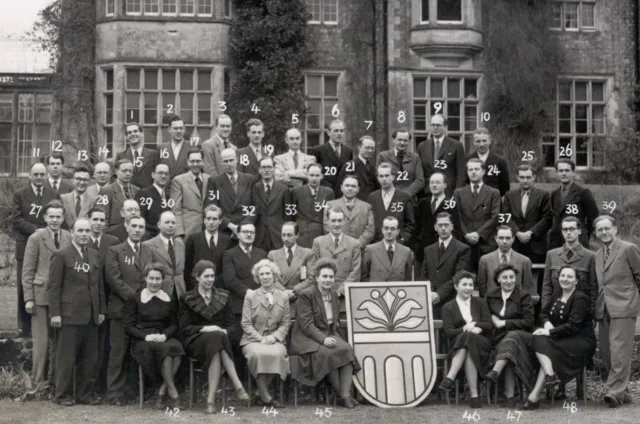
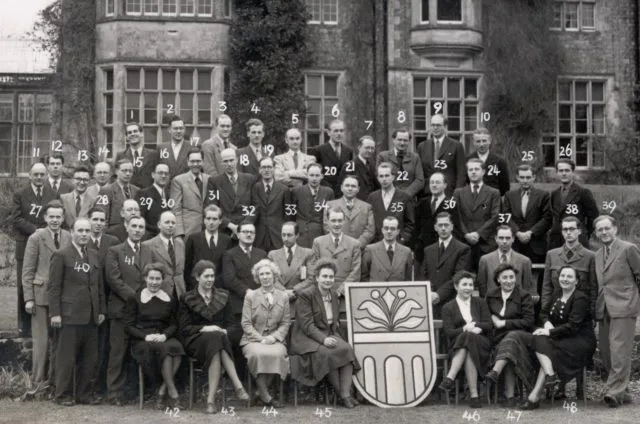
Attlee and Beveridge pose for a group photo at a Wilton Park event in 1956.
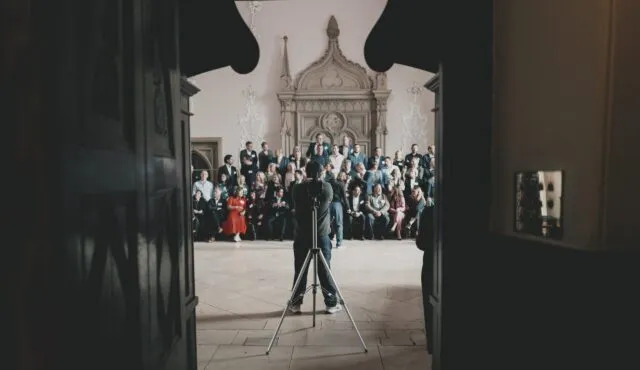
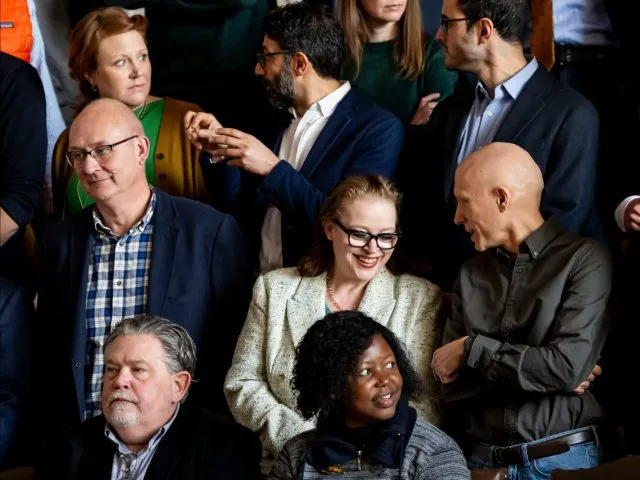
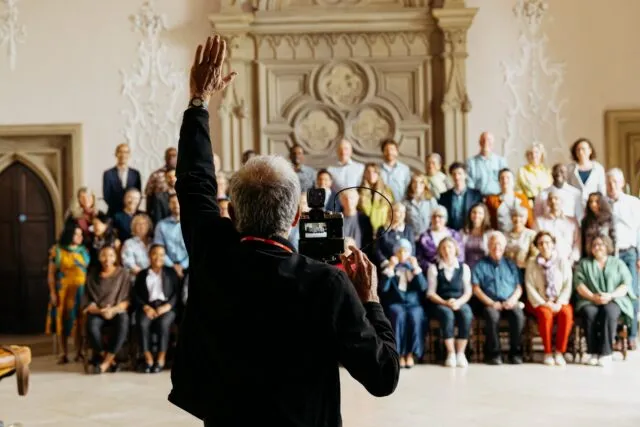
Participants smile as they gather for the group photo

A modern multilateral institution

Wilton Park was born in the same era as some of the great multilateral institutions, including the UN and NATO. Our role has evolved but our commitment to supporting multilateralism remains. Today Wilton Park is a hub of international dialogue supporting policy development and political processes on some of the world’s most difficult challenges.

Learn more about our work

The origins of Wilton Park

Wilton Park was founded in January 1946, under the direction of a newly formed Labour government. Historian Holger Nehring points out, ‘Labour in particular was keen on using German Social Democrats in exile for the rebuilding of Germany. Moreover, Ernest Bevin, the Foreign Secretary, placed an increased emphasis on public diplomacy.’

Between January 1946 and June 1948 more than 4,000 Germans attended education classes at Wilton Park, where they discussed democratic processes with visiting political figures and intellectuals, including philosopher Bertrand Russell, social reformer Lord William Beveridge, and the first female Member of Parliament, Lady Astor.

The first participants at Wilton Park included some of the most senior German PoWs in Britain and many became leading figures in the rebuilding of post-war Germany. Helmut Schmidt, for example, the former German Chancellor, hailed Wilton Park’s role for post-war Germany, stating that “many ideas became a political reality.” The success of these classes is epitomised in one German participant’s statement of his time at Wilton Park: “I was a Nazi; I came to Wilton Park and it changed my life.”

Our first visiting speaker on 2 February 1946, was Richard Crossman, later a Labour Minister, who spoke on the theme of ‘The Labour Government’s task in Europe’.
 

Our history

Some of the key moments from our history.

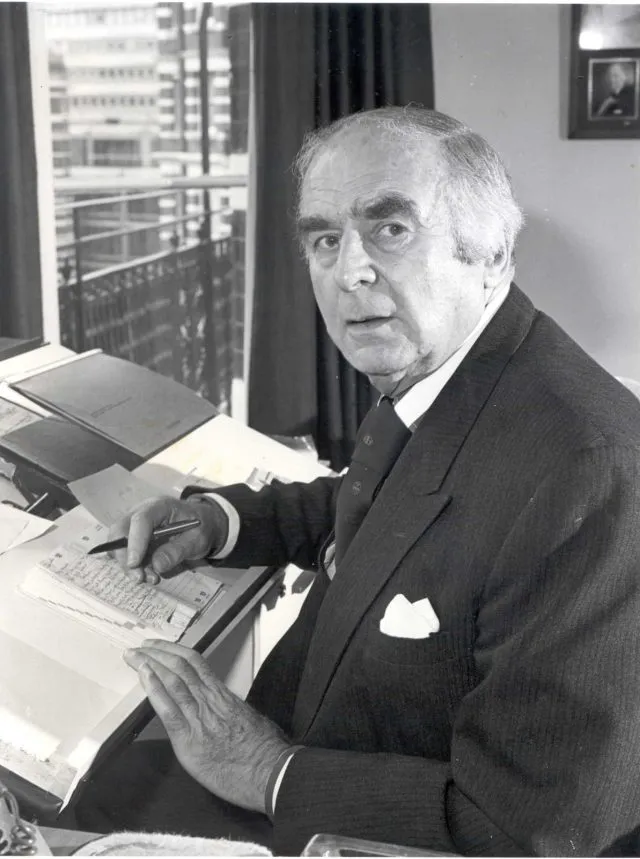
Heinz Koeppler sits at a desk

1946

Heinz Koeppler establishes Wilton Park.

A portrait of Nancy Astor in black and white.

1947

Lady Astor, the first woman to take a seat in the UK Parliament, spoke at Wilton Park on “Women in Public Life”.

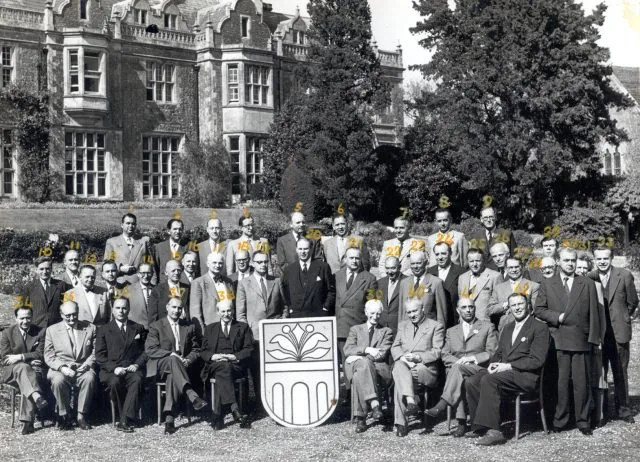
A group photo of the first Wilton Park session at Wiston House in Sussex, in 1951.

1951

Wilton Park relocates to Wiston House, Sussex.

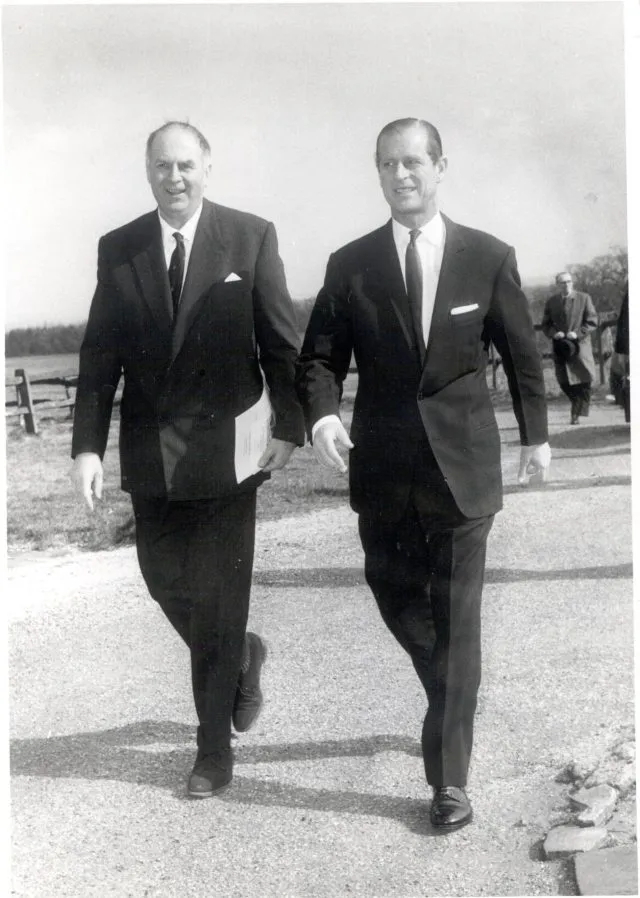
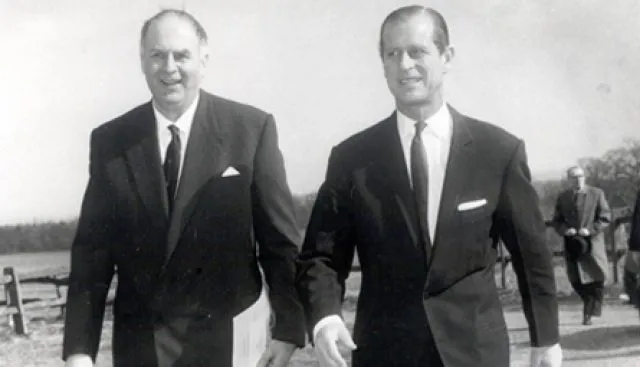
Heinz Koeppler, founder of Wilton Park, welcomes HRH The Duke of Edinburgh to its 100th conference

1968

HRH The Duke of Edinburgh visits Wilton Park’s 100th conference.

A black and white image of industrial pollution. as smokes bellows from towers.

1972

Wilton Park’s 143rd conference explored the ecological crisis and its societal impact, marking Wilton Park as an early voice on environment and sustainability.

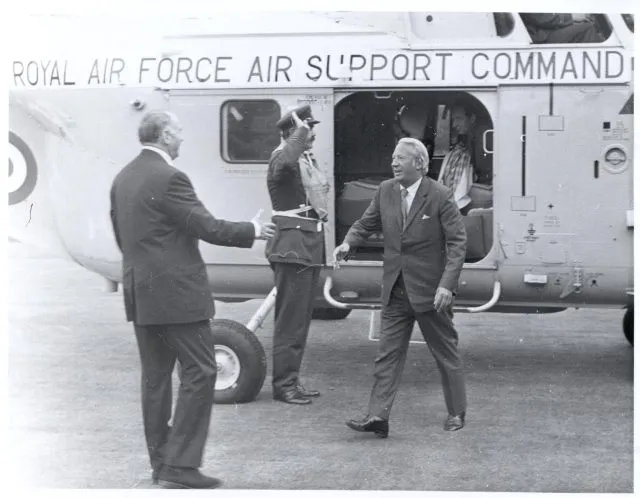
Edward Heath arrives at Wilton Park by helicopter.

1973

Prime Minister Edward Heath and the French President, Georges Pompidou, agree discussions on European enlargement should be addressed at Wilton Park and create the European Discussion Centre.

A gas station is empty with a sign saying 'pumps closed'

1975

In the wake of the OAPEC oil embargo, Wilton Park began tackling global energy concerns, focusing on European energy security and reducing reliance on imports.

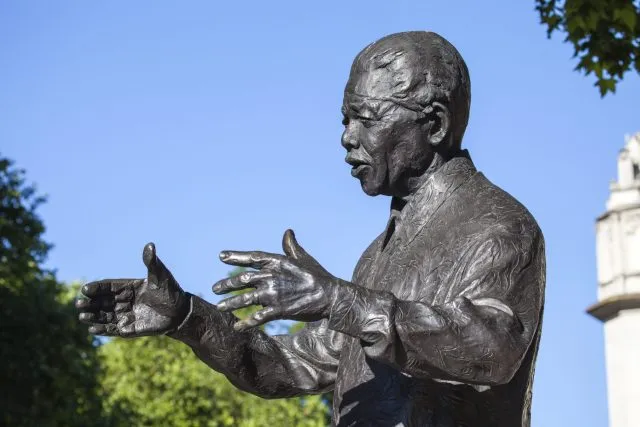
A bronze statue of Nelson Mandela with his arms outstretched.

1980

Wilton Park becomes a venue for South African representatives to discuss the transition from apartheid.

Image shows people working at a TV editing desk.

1983

As satellite broadcasting and global news networks begin reshaping diplomacy, Wilton Park examines how the communications revolution is transforming political decision-making and international relations.

1986

Mikhail Gorbachev’s reforms in the Soviet Union enabled the first Soviet participants at Wilton Park events.

A wide angle shot of Haikko manor in Porvoo, Finland. It is a large manor style building in large grounds.

1988

The first overseas Wilton Park conference takes place in Finland, on East-West relations.

An image of the Berlin Wall shortly after its fall. Hole in the wall with view through to a carpark in the east, Trabant and Lada cars. A coke can is attached to the fence on the fence.

1988

Discussions during a 1988 Wilton Park conference predict the collapse of the Soviet Union.

1994

Post-Cold War, Wilton Park conferences focus on implementation of the Chemical Weapons Convention — a landmark arms control agreement signed in 1993 to take effect in 1997.

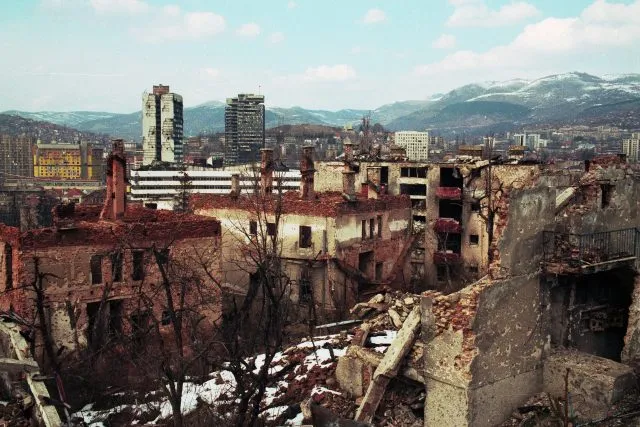
Damaged buildings in Sarajevo.

1999

Wilton Park holds a conference on the Western Balkans after Milosevic, less than three months after the end of NATO’s air campaign.

The iconic red torii gates during the early morning hours at Fushimi Inari Shrine in Kyoto, Japan

2003

Japan hosts the first Wilton Park conference outside of Europe, with Brazil following a few months later.

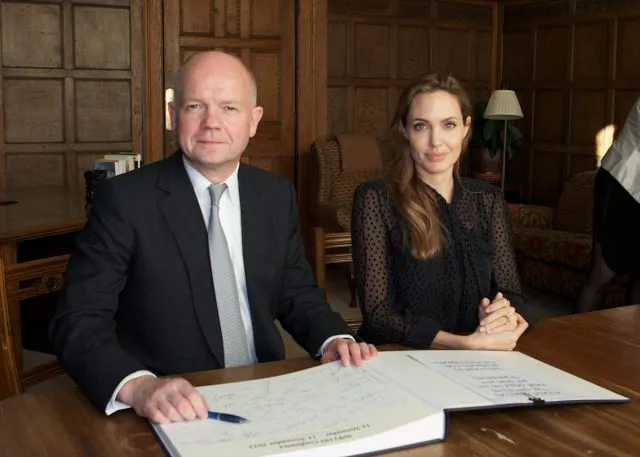
William Hague and Angelina Jolie at 'Preventing Sexual Violence in Conflict and Post Conflict Situations' at Wilton Park in 2012

2012

Rt Hon William Hague MP and Angelina Jolie, United Nations’ Special Envoy, attend Wilton Park’s conference on preventing sexual violence.

Participants at a Wilton Park event huddle together at a desk.

2018

From 2018 to 2021, Wilton Park convened multiple dialogues on promoting inclusive citizenship drawing together major local and international faith-based organisations.

The UN General Assembly Hall is pictured empty.

2019

From 2019 Wilton Park hosts a series of conferences to support UK work on responsible space behaviours culminating in the adoption of a resolution at the UN General Assembly.

A phone screen is shown with a range of AI service apps.

2020

Wilton Park convenes a series of dialogues on artificial intelligence, including on its use in the public sector. Dialogues on AI become a growing area of focus.

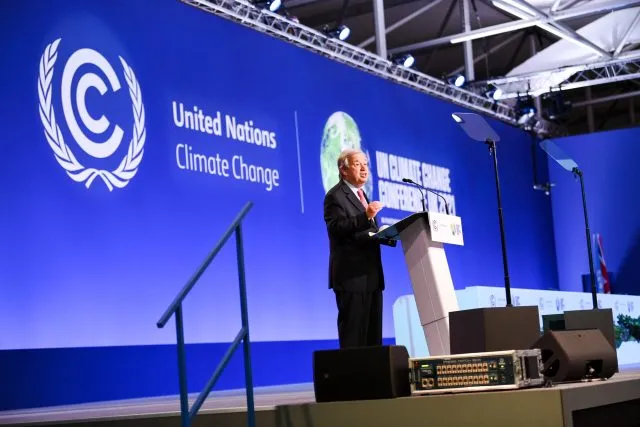
Antonio Guterres, Secretary-General of the United Nations, speaks at the Opening Ceremony for Cop26 at the SEC Glasgow.

2021

Wilton Park acts as the Secretariat for the major COP26 initiative, Catalyst for Climate Action, on behalf of the UK’s COP26 Presidency.

Ribbons in the colors of the national flag of Ukraine are tied to the handrail.

2022

Following Russia’s invasion of Ukraine, Wilton Park convenes a series of dialogues on issues including economic recovery, criminal justice, information warfare, and strategic deterrence.

A piece of art by Zeina Nader showing dove against a red backdrop/

2025

Wilton Park continued its important work on faith, convening ‘the role and responsibility of religious leaders in times of war, atrocities and polarisation’ conference. The event was referenced by the UN Secretary General in his report to the General Assembly.

A historian’s guide to Wilton Park

In his paper Professor Holger Nehring explores the origins, development and impact of Wilton Park through its remarkable 80 year journey.

Read the paper
Heinz Koeppler greets HRH The Duke of Edinburgh at Wilton Park in 1968
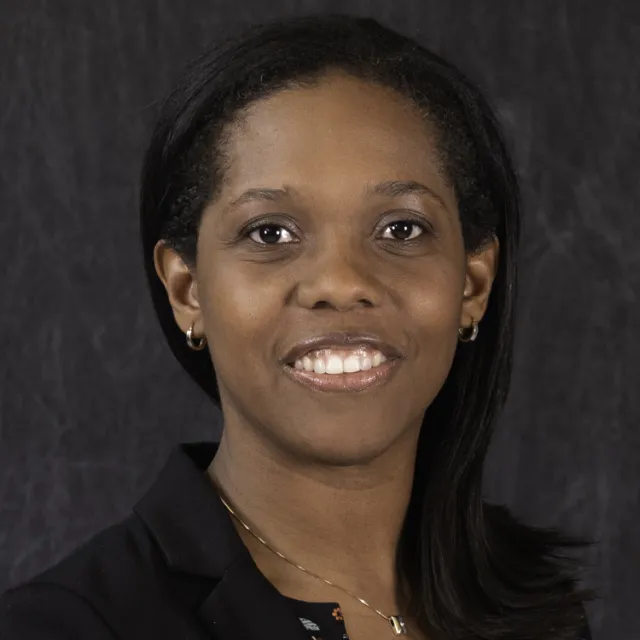
Kerry-Ann Barrett, Chief of the Cybersecurity Section with the Inter-American Committee Against Terrorism of the Organization of American States, smiling at the camera.

“Wilton Park is a perfect setting to host stakeholders from dignitaries to high level decision makers, not just because of its regal finishes but it invites its guests into its beauty and openness and ushers them to think outside of their day to day and to visualize out of the box solutions to complex issues.”

Kerry-Ann Barrett, Chief of the Cybersecurity Section within the Inter-American Committee Against Terrorism of the Organization of American States

Your Wilton Park experience

We’re collecting memories from the remarkable people who have been part of our journey. Whether you attended a conference last year or decades ago, your Wilton Park story is part of our heritage. We’d love to hear about the conversations that sparked change, the connections you made, or the moments that left a lasting impression.

Share your story

Want to find out more?


Sign up to our newsletter