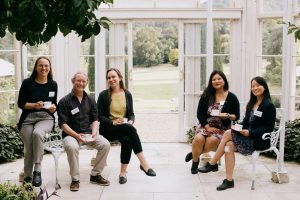
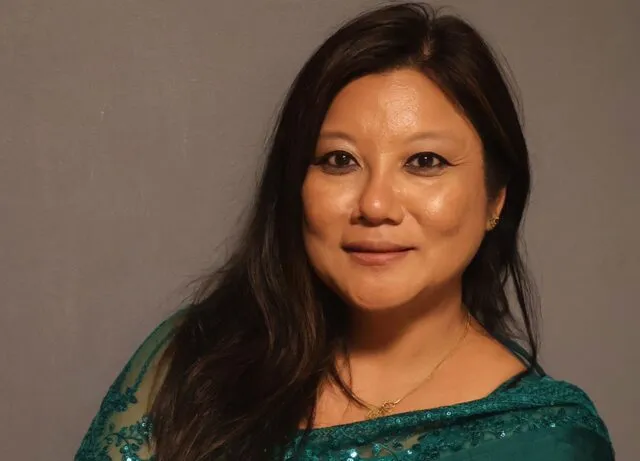
In September 2024, I had the privilege of attending the Wilton Park conference on “Transformative Change for Global Biodiversity: The Role of Gender Equality and Social Inclusion.” This gathering brought together experts, policymakers, advocates, and community representatives from around the world to discuss how gender equality and social inclusion can drive effective biodiversity action. The event was a unique space for learning, reflection, and collaboration, highlighting the urgency of integrating inclusive approaches into biodiversity governance at all levels.
From the moment I arrived, it was clear that this was not just another conference. The setting of Wilton Park, a historically significant venue known for hosting high-level dialogues, provided an ideal backdrop for meaningful and open discussions. The diversity of participants—ranging from Indigenous leaders and grassroots activists to representatives from international organizations—ensured that conversations were rich with varied perspectives and experiences.
Key discussions and insights
One of the most compelling themes of the conference was the recognition that biodiversity conservation cannot be separated from human rights. Over the course of several sessions, we explored how environmental degradation disproportionately affects marginalized communities, particularly women and Indigenous peoples, and how their leadership is essential in designing solutions. There was a strong consensus that inclusive, gender-responsive, and locally-led approaches are not just ethical imperatives but also critical for achieving lasting conservation outcomes.
Speakers shared examples of successful projects where integrating gender perspectives had led to improved conservation results. For instance, a case study from Latin America illustrated how recognizing women’s traditional ecological knowledge improved forest restoration efforts. Similarly, the experiences from Asia, one young woman who shared her personal journey as a young activist in Vietnam and her resilience for engaging youth and addressing gender-based violence in conservation was inspirational. These discussions reinforced the idea that social equity and biodiversity protection must go hand in hand.
It was also a wonderful opportunity for me to share our work at Women4Biodiversity, where we are engaged in working towards advancing gender equality and women’s rights in ecosystem restoration.
Another key topic was financing and policy frameworks that enable gender-responsive biodiversity governance. Many participants emphasized the need for financial mechanisms that support women-led conservation initiatives and ensure their participation in decision-making. There was also significant discussion about the implementation of the Kunming-Montreal Global Biodiversity Framework (KMGBF) and how national biodiversity strategies must explicitly incorporate gender considerations to be effective.
One of the most important outcomes of the Wilton Park meeting was the development and endorsement of the Principles for Inclusive Nature Action. These principles provide a guiding framework for ensuring that biodiversity policies and actions are truly inclusive and effective.
Reflections and positive outcomes
Attending this conference was a transformative experience for me. It was inspiring to be in a space where gender equality and social inclusion were recognized as central to solving the biodiversity crisis. The discussions underscored that while significant progress has been made in integrating these perspectives into global policies, much work remains at the implementation level.
One key takeaway for me was the importance of continued advocacy at the national and local levels. Policies and frameworks, including the KMGBF, provide an excellent starting point, but their success depends on political will, funding, and grassroots mobilization. Governments, civil society, and the private sector all have a role to play in turning these commitments into tangible action.
As I left Wilton Park, I felt a renewed sense of urgency and commitment to this work which strongly aligned with our work at Women4Biodiversity. The Principles for Inclusive, Gender-Responsive, Locally-Led Biodiversity Action provide a roadmap for a more just and sustainable approach to biodiversity governance.
Taking it forward, together with DEFRA, IIED, and some other partners from the Wilton Park gathering, Women4Biodiversity organised a side event to share the Principles to the wider audience at the CBD COP16 in Cali in Colombia on 25 October, 2024.
This conference reaffirmed that transformative change is possible—but only if we actively work to dismantle barriers, elevate diverse voices, and prioritize equity in all aspects of biodiversity conservation.
Wilton Park was more than just a gathering to discuss transformative change for global biodiversity. It was the moments in between—the catching up, the quiet walks through its beautiful grounds, the shared conversations over coffee and tea, and the joy of reconnecting with old friends while making new ones. It wasn’t just about experts exchanging knowledge; it was about coming together over a shared passion, embracing diverse perspectives, and finding common ground. While we sought agreements, we also honoured the richness of differing viewpoints, knowing that true progress comes from understanding all sides.
I am happy to have been part of it and take back memories, not only of the place (which was breathtaking) but of the people and the rich conversations. I hope to be back again.