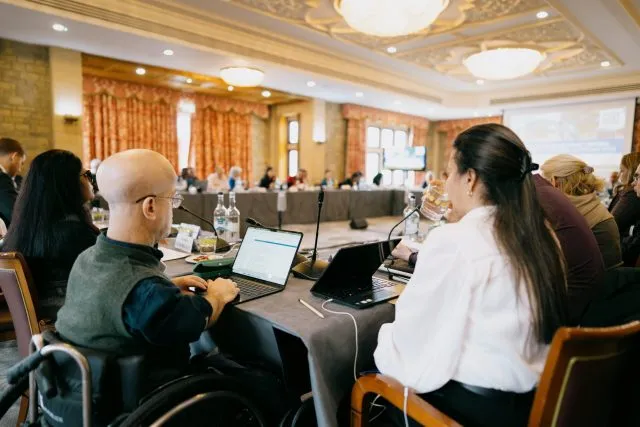
Global education is in crisis with around 272 million children out of school and many of those who are in school not receiving a safe, inclusive, quality and equitable education. This Wilton Park dialogue explored how to include the 240 million children with disabilities worldwide into mainstream education systems, that fully meet their needs.
We brought together academics, governments, international organisations, foundations, research institutes, and representatives of organisations of persons with disabilities to share evidence of what works and to discuss the remaining, often context-specific, challenges.
The Dialogue bridged the gaps between stakeholders and established stronger partnerships to accelerate the transformation of research and evidence into action for the full inclusion of children with disabilities into mainstream education systems.
We agreed/committed to…
- Use our knowledge, our voices and our networks to champion the rights of children with disabilities everywhere, ensuring the inclusion of children with disabilities into mainstream systems, wherever we can. To challenge ourselves, our organisations, and governments to work in partnership with families, people with disabilities, and their representative organisations, teachers, and others directly involved in inclusive education. To move from talking to doing, and deliver real change for the millions of children with disabilities worldwide.
- Continue to deliver and build on the commitments we made at the Global Disability Summit 2025 in Berlin, in preparation for the Global Disability Summit in 2028 in Qatar.
- Share the knowledge and evidence from the Dialogue with our local and national partners and wider networks to influence national systems and to make the case for investing in and effectively including children with disabilities into mainstream inclusive education systems.
- Promote better collection of primary and secondary disability education data. Disaggregate by gender, age, and disability and share across the organisations we work with and governments we advise. Promote local ownership and implementation to ensure accurate knowledge and better design and delivery of inclusive education policy.
- Coordinate better and promote the use of existing quality evidence to advance progress through new and existing partnerships. Use the UNICEF-led Leadership Council on Disability Inclusive Education, a multi stakeholder global body, to align priorities, review evidence, and drive accountability on inclusive education.
- Advocate for sustained domestic financing for inclusive education. Support financing models that reward meaningful participation, progression, and learning outcomes for all children with disabilities. Promote co financing, pooled funds, and private or philanthropic partnerships that align with partner government national priorities.
- Work with lead partners from the Global Disability Summit 2028 to ensure that we use the learning and momentum generated through this Dialogue to shape the education agenda. Promote new and strengthened commitments in areas such as financing, teacher development, data systems, inclusive technology, and accountability.
- Co-create a clear and practical roadmap toward the inclusion of learners with disabilities in fully inclusive education systems that is grounded in evidence and sets out how to achieve these commitments.