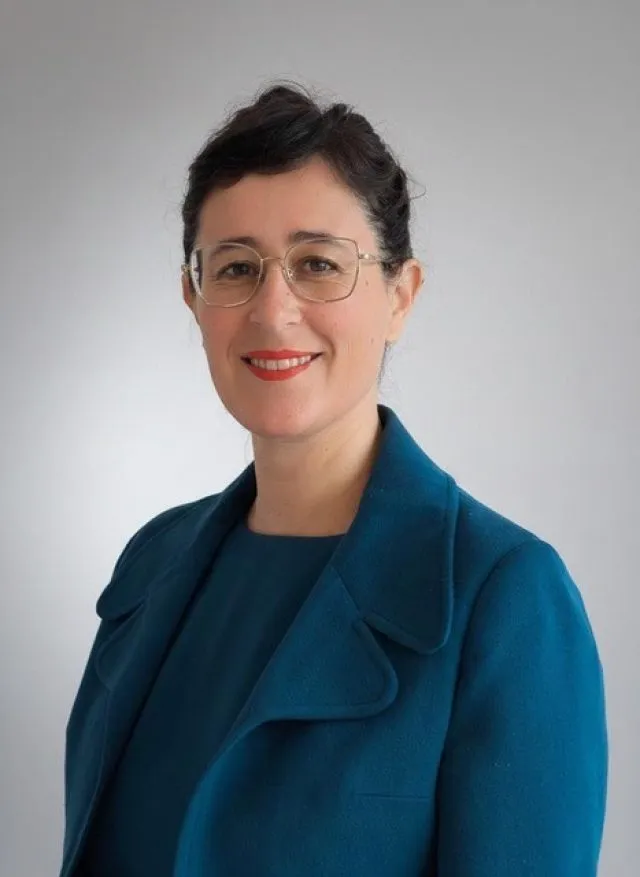
“Wilton Park is one of the few places where difficult truths can be spoken safely — and where the emotional realities behind policy decisions are genuinely heard.”
Since my first involvement in 2015, I have had the privilege of contributing to Wilton Park discussions as a psychologist specialising in trauma — and now as Director of Manas. I have worked alongside frontline civil society organisations, activists, community leaders and government partners to ensure that, across FCDO, PSVI and gender-related programmes, people can speak not only about their expertise but also from their lived experience.
What has struck me in every dialogue is Wilton Park’s ability to hold complexity with compassion. Many participants carry deep personal or collective wounds, and they consistently describe it as a space where they feel respected, understood, and safe enough to engage fully, even when conversations are raw or painful.
Over the years, I have seen how embedding trauma-informed practice deepens discussions, strengthens relationships, and makes policy-thinking more humane, and crucially, realistic.
This has been especially evident in dialogues on sexual violence in conflict — including PSVI: shaping principles for global action to tackle stigma (2016), Sexual Violence in Conflict (2019) and the CRSV Survivor Retreat (2023) — as well as in conversations on gender based violence (GBV) (“What will it take to end GBV?”(2022)) and in supporting activists (“Making tertiary education safe to learn” (2019)).
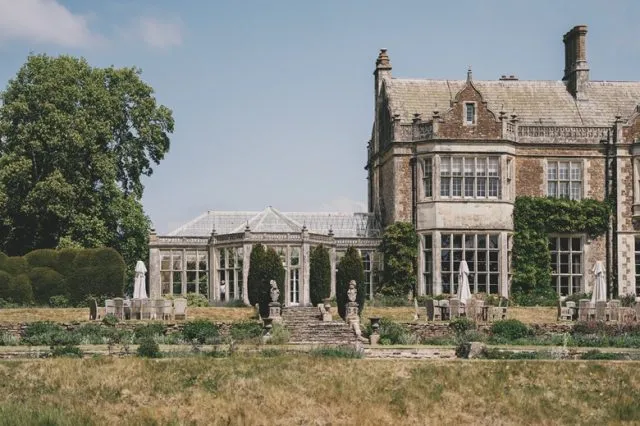
Some of my most powerful memories come from walking with participants through the extraordinary grounds surrounding Wilton Park. In those quiet moments, we are able to transform a difficult emotional experience into a turning-point, rather than a rupture. It has been a privilege to support activists and survivors as they reflect on their work, helping them stay grounded and minimise the emotional toll of the traumas they often carry on behalf of others.
Like many colleagues who have passed through the Wilton Park doors, I have seen how we are able to facilitate not just dialogue, but connection. It brings together people who rarely reflect collectively — diplomats together with survivors, psychologists, security actors, CSO leaders — and helps form a shared narrative for understanding harm, resilience, justice and recovery. It allows personal experiences and emotions to shed light into the political.
For myself, Wilton Park has always been a place that honours the dignity of those who suffer injustice, and wish to be part of a process to change this. A place that recognises that healing and policy do not sit in separately. And a place where empathy is understood as a strategic strength that can shape more impactful policy outcomes.
I am proud to have contributed to this mission over the past decade. I am deeply grateful for the trust participants have placed in me when sharing their vulnerabilities, and for the thoughtful guidance of organisers — particularly Allison Hilliard and Julia Purcell.
Wilton Park remains one of the very few global convening platforms where trauma-informed approaches are not only welcomed, but recognised as essential for building survivor-centred and sustainable solutions to humanity’s most challenging issues.