Recent events
Human rights in a shifting world: broadening support, securing futures
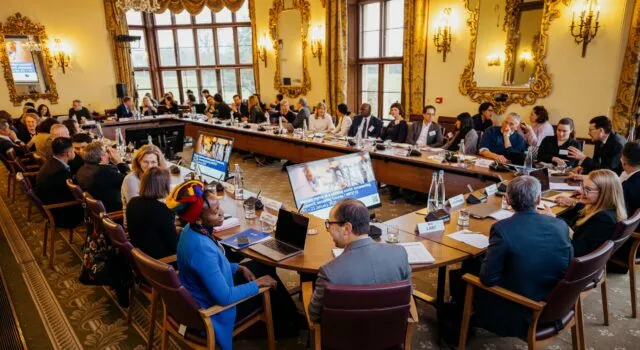
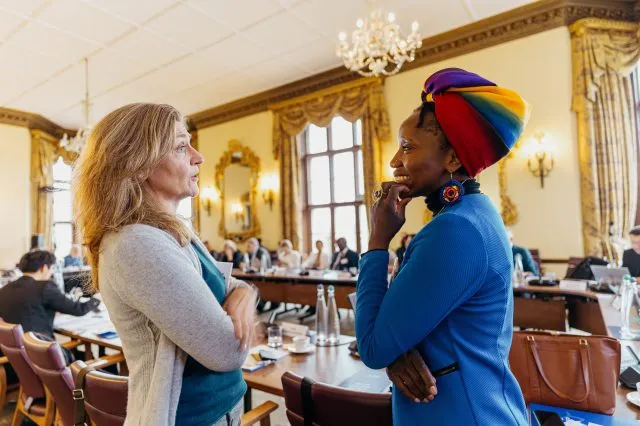
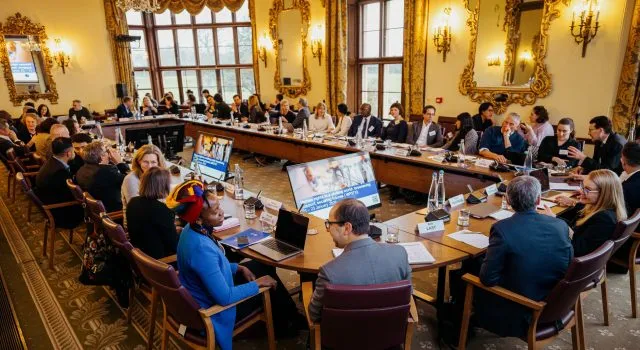
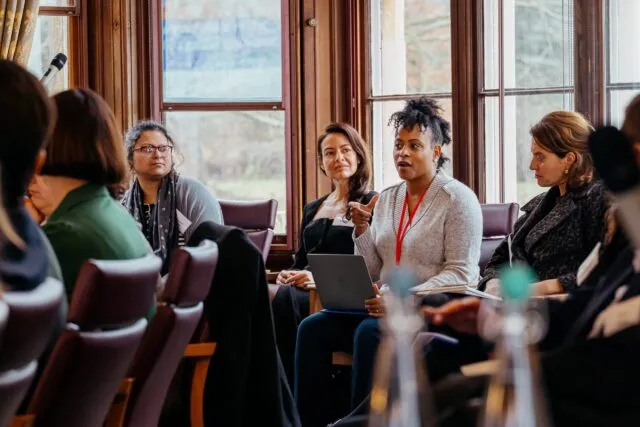
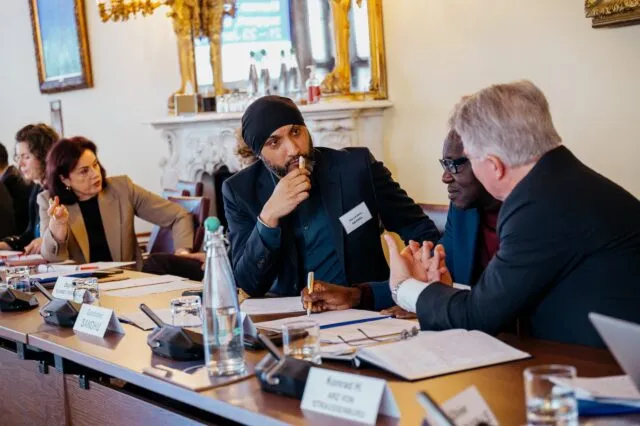
This month, we hosted our 20th annual human rights dialogue. For over two decades, we and our partners, the Swiss Federal Department of Foreign Affairs and the Ministry for Foreign Affairs of Finland, have brought together practitioners from across the globe to tackle the most pressing challenges facing the international human rights system.
At a time when geopolitical shifts, funding pressures and an increased focus on defence are reshaping the landscape, this dialogue offered a vital opportunity to take stock and look ahead.
Participants explored:
- How recent developments are impacting human rights work globally
- Possible scenarios for the future of the international human rights system
- How to build popular support for human rights
- Integrating human rights considerations into security and other policy areas
This year’s dialogue fostered inter-regional and inter-generational exchange — sharing knowledge and best practice across borders and between experienced practitioners and emerging voices.
Agenda 2063 in a post-ODA world: African agency for socio-economic transformation
Africa stands at a pivotal juncture.
With a rapidly growing population, abundant natural resources and dynamic young people, the continent holds immense potential to shape its own socio-economic future.
Our high-level policy roundtable brought together African policymakers, regional institutions and private sector leaders to chart practical pathways for transformation through collective action.
At a time of global uncertainty and shifting development landscapes, new approaches and stronger collective strategies are essential to drive forward the transformative vision of Agenda 2063.
Read more
Children’s Care Reform: from commitment to collective action
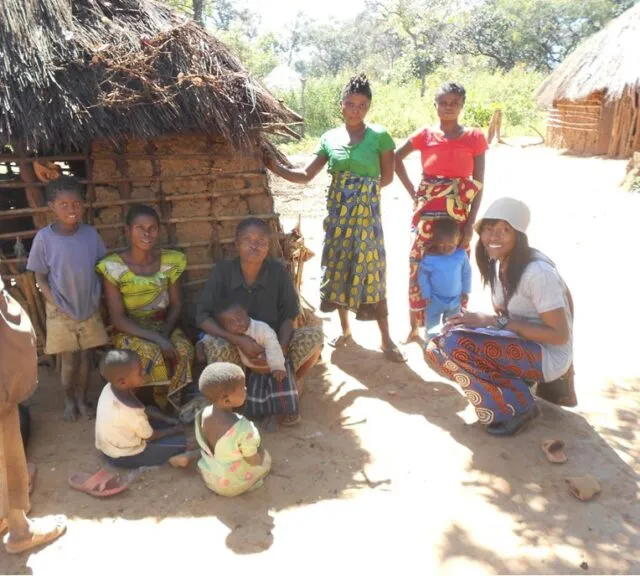
This Wilton Park Dialogue aimed to accelerate global progress in children’s care reform by building on the momentum of the Global Charter for Children’s Care Reform launched during the 2025 UN General Assembly. It provided a timely space to move from shared commitments to coordinated action.
Despite international frameworks and growing national efforts, an estimated 5.4 million children still live in institutional settings without the care of a family. The Charter has sharpened global awareness of the systemic barriers that slow reform, from social norms and data gaps to policy and funding constraints, challenges that no single actor can address alone.
This dialogue focused on confronting these cross-cutting issues, sharing practical strategies, and shaping a collective roadmap for the next phase of implementation.
The goal was to drive meaningful action that strengthens families, prevents unnecessary separation, and ensures that when alternative care is needed, it is family and community-based, progressively ending the institutionalisation of children worldwide.
Read more