
More than 1.3 billion people, around 16 per cent of the world’s population, live with disabilities. At the same time, cities are growing, responding to climate risks, rebuilding after crises and digitising essential services. Decisions made now on housing, transport, public space, health, water and sanitation, digital services and climate-resilient infrastructure will shape the inclusion or exclusion of persons with disabilities for decades.
Yet disability inclusion is often treated in urban, climate and infrastructure finance as a safeguard, compliance requirement or additional cost. It is frequently reduced to physical accessibility rather than understood as a wider investment standard covering universal design, inclusive services, participation, reasonable accommodation and accessible information.
The financing context is also changing. The availability of grants has declined resources, changing how donors, multilateral development banks and development finance institutions engage with disability inclusion. Cities, particularly in the Global South, face tighter economic conditions that constrain their ability to fund inclusive services and infrastructure. At the same time, providers of commercial capital are reassessing their engagement with equality and inclusion agendas.
Consequently, the case for investing in disability and inclusion needs to be reconsidered – not least because retrofitting infrastructure and services is more costly than designing inclusion and providing universal access from the outset. The barriers are not only economic; they are also political, institutional and financial. Progress depends on who sets financing conditions, how inclusion is measured, how cities manage affordability and procurement trade-offs, how risk is shared, and how capital can be aligned with public value and disability rights.
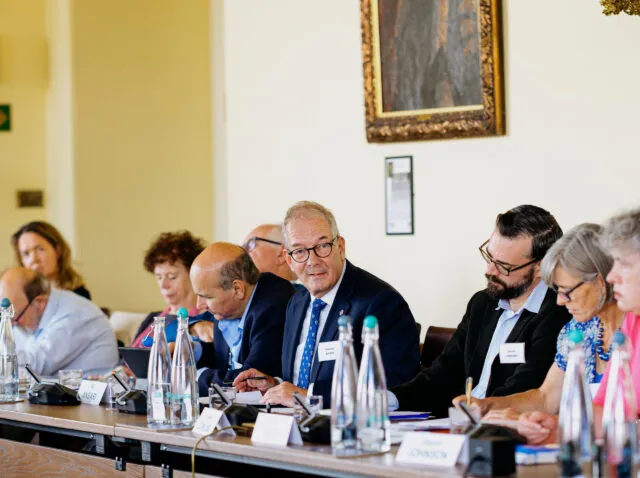
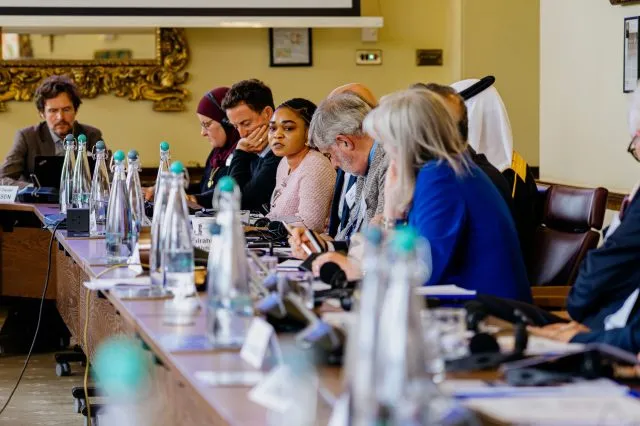
Building on existing practice, this Wilton Park dialogue will examine what financial models can advance disability inclusion in urban investment amid these changing conditions. It will explore how public, concessional, philanthropic and private finance, including blended approaches where appropriate, can support cities to plan, finance and deliver inclusive infrastructure, services and systems for all persons with disabilities.
In partnership with