
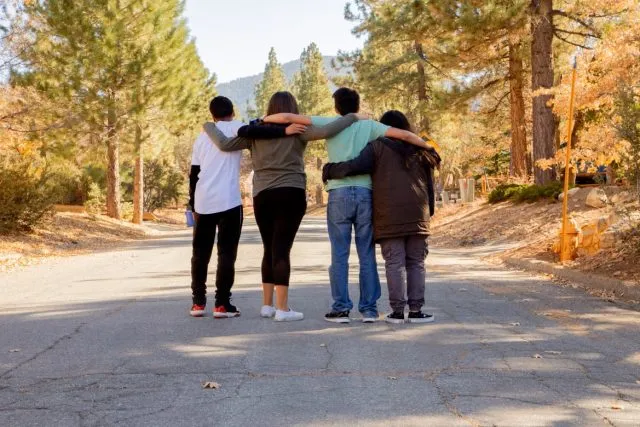
The vision for a more empathetic society was described by one participant as “a world where through policies, programmes, and practices for adolescents, their families, their schools and their communities a range of virtues are nurtured–mindful awareness, empathy, perspective taking, compassion, forgiveness, love, altruism, and civic engagement.” The cultivation of these aspirations will, however, require the creation of an inter-generational project, involving both young people and adults, and be a work of considerable time.
Examples of young people engaging in empathetic projects included:
- A social entrepreneur in Nigeria creating opportunities for young women to develop AI skills
- A social activist from Indonesia who, with friends from high school, helped to open health clinics, and who commented that “empathy works when it moves from emotion to action”.
- A volunteer youth researcher in Ireland who co-hosted a food and empathy festival at the Department of Children in Dublin. The festival fostered intercultural communication through young people from 12 differing countries cooking different international recipes.
- To routinise and habituate empathy the following challenges and needs were identified:
- The need for safe spaces to develop empathy
- To build communities that value empathy
- A recognition that young people are not the problem, but part of a solution to broader social problems that are linked to a lack of empathy
- That young people need to be participants in the initiatives and policies to create greater empathy
- To understand the causes of empathy deficit and counter empathy
- To overcome barriers to developing effective empathy
- The utilisation of empathy education to enhance a compassionate society