
For Inclusive Education to be effective, as highlighted by examples from places like Portugal, teachers need to feel they are prepared and supported. This means paying attention to what is happening in teacher education, especially pre-service. Inclusive Education and teaching children with disabilities is one of the least covered topics in pre-service training, despite significant demand from the teaching profession. Teachers are fully aware of what their capacity limitations are, and there is demand for more support and training.
This puts the emphasis on the quality of teacher education. Good UDL or inclusive pedagogy training improves classroom practice and helps teachers reduce barriers to learning, although not when delivered as one-off in-service level training. A current key systemic barrier to improved pedagogy is the extent to which teacher training institutions are preparing teachers adequately for inclusive education.
A key difficulty in this respect has been the lack of attention paid to pre-service teacher education from donors that invest in education programmes. Over the longer term the impacts of investments in higher education can be substantive, but there are not yet strong evidence pathways that can be used to demonstrate how investing in teacher educators impacts learning outcomes for children with disabilities in classrooms.
One area that could help fill this gap is getting more evidence and feedback from teachers, so it is possible to understand what kinds of investments work for them. So, where there are large-scale investments happening in teachers, such as increased salaries, professional development and pre-service training, it would be good to centre the voice of teachers more so that tools that really improve practice can be designed. There is genuine appeal here for investment because relatively small inputs, co-financed with large scale public expenditure, can have significant impacts.
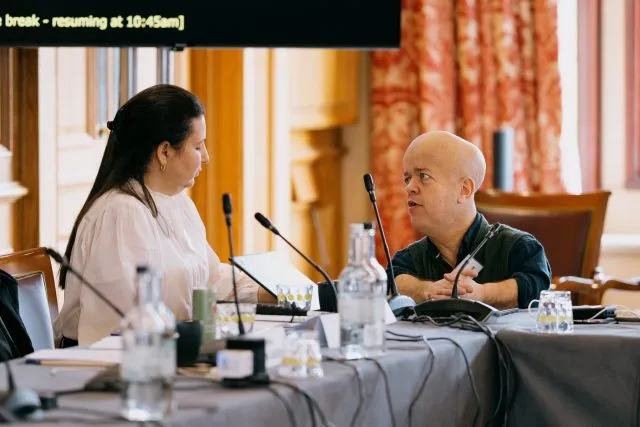
Another potential area which could be developed further is in relation to the hiring and retention of more teachers with disabilities. This can have a positive impact on all children, and such teachers can be important role models for children with disabilities. Schools that hire teachers with disabilities and support them are more likely to be able to reduce barriers and improve learning opportunities. Staff with disabilities help identify barriers and reduce negative attitudes if they are fully supported in their teaching.