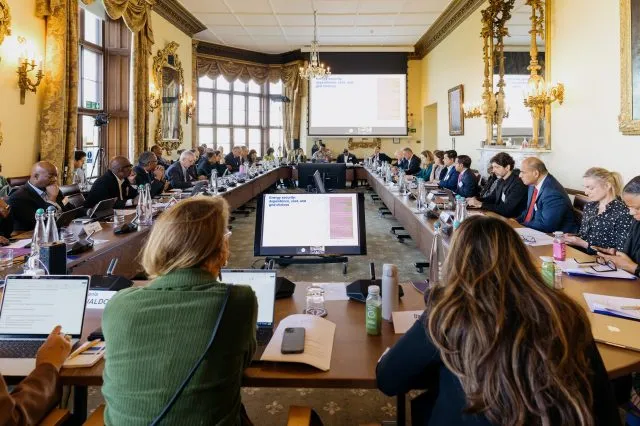
Our role in a world under pressure

February newsletter from Wilton Park CEO Tom Cargill

20260114092041-G1040685

For 80 years, preventing conflict has sat at the heart of Wilton Park’s work, and in recent weeks this has continued as a focus. At the same time, much conflict is arguably a symptom of wider failures of the multilateral system. Certainly, the dramatic rise in the number of conflicts and crises appears in some way connected to the crisis of leadership and governance playing out at multiple levels around the world.

So, while we are working ever harder to find new ways to prevent and end conflict, a systemic reduction will only occur once the international community, and its leadership, have found more innovative, flexible and effective ways to identify, address and manage the dynamic forces shaping our world.

We need not start from scratch. Existing systems may need invigorating, and in some cases pruning, but there is a huge amount of precious expertise, experience and wisdom out there which could easily be lost through rash interventions – compounding the very challenges we need to address.

None of this is simple. So, our challenge as an organisation over coming months and years is to continue to address the growing symptoms of stress in international relations, whilst also drawing together more innovative partnerships, ideas and tools in support of strengthened, refreshed and agile alliances, for UK and global benefit.

Tom Cargill

Chief Executive

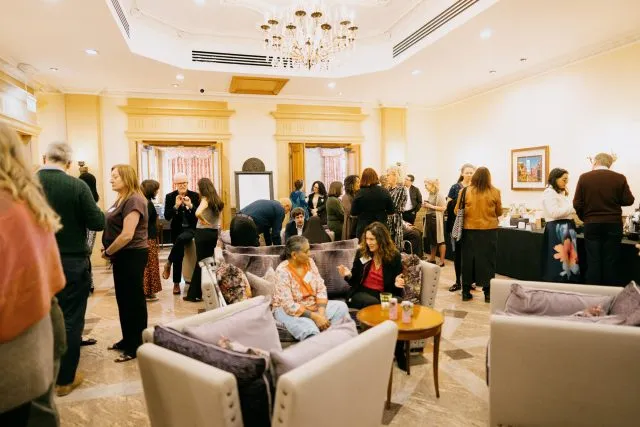
America 250: celebrating and advancing the UK-US partnership through soft power, regional collaboration, and technological resilience

As the United States marks its 250th anniversary of independence, this conference explored the evolving nature of the UK-US relationship, examining the following questions about the future of the relationship and soft power:

  • How can the UK-US relationship evolve to remain relevant for the next generation in an era defined by global interconnectivity, digital transformation and shifting values?

  • How have profound cultural links been affected by recent political developments on both sides of the Atlantic and how can cultural diplomacy, education and exchange programmes serve as strategic assets in strengthening UK-US relations for the next generation?

  • How can the UK and US leverage subnational and regional partnerships through youth leadership to build a resilient and inclusive transatlantic alliance for the next generation?


Children’s Care Reform

Despite international frameworks and growing national efforts, an estimated 5.4 million children still live in institutional settings without the care of a family.

At this recent dialogue, participants explored how we can accelerate global progress by building on the momentum of the Global Charter for Children’s Care Reform launched during the 2025 UN General Assembly.

The Charter has sharpened global awareness of the systemic barriers that slow reform, from social norms and data gaps to policy and funding constraints.

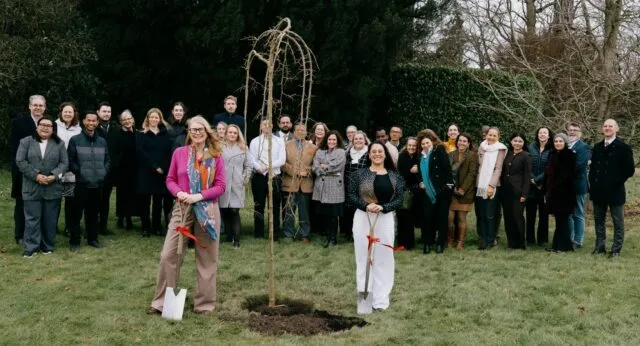
During the conference participants planted a mulberry tree to celebrate the campaign and to serve as a reminder that real change takes time, care and commitment, the very things children need most.

Read more


‘We must grow a future where all children have the chance to thrive in a loving family.’

Ahead of the dialogue, UK Deputy Prime Minister David Lammy wrote on the vital need for children’s care reform and his own family’s experience of adoption.

Read the article


Disability inclusive education

1 in 10 children worldwide are disabled and yet their education is in crisis with sobering statistics: 49% of children with disabilities are more likely than their peers to have never attended school and when they are in school, 42% are less likely to obtain basic literary and numeracy skills. And that’s despite all the evidence that bringing disabled children into the classroom is good for everyone, with economic, social and health benefits for them, their families and the national GDP – and that supporting teachers to be more inclusive improves the quality of education for all.

In preparation for the Global Disability Summit in 2028 in Qatar, our dialogue explored how to include children with disabilities worldwide into mainstream educations systems that fully meet their needs, sharing evidence of what works and what needs to change.

Read the outcome statement from the event


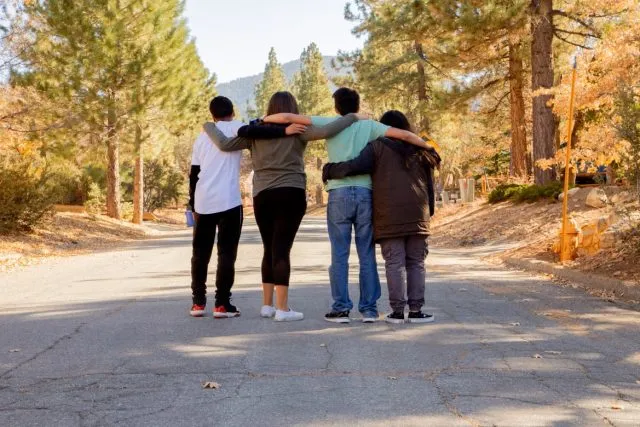
Four young people stand on a forested road with their arms around one another's shoulders

Latest reports

Promoting empathy in adolescence: creating engaged global citizens and enabling more peaceful, inclusive societies

Read the report

Partner with us

We are currently inviting proposals for conferences through to the end of 2026. If you’d like to explore developing a policy event at Wilton Park, discover how we can work together.

Partner with us

“There is no peace and security without human rights”

Tanja Leikas-Botta reflects on why human rights must sit at the heart of the international rules-based order, and why decision makers, international organisations, and civil society need to work together – not in silos – to protect them.


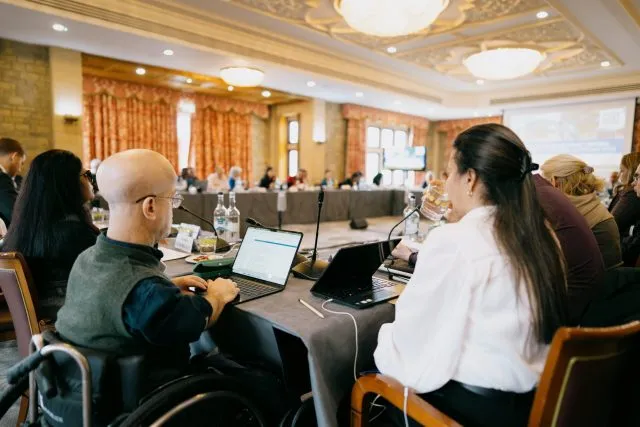
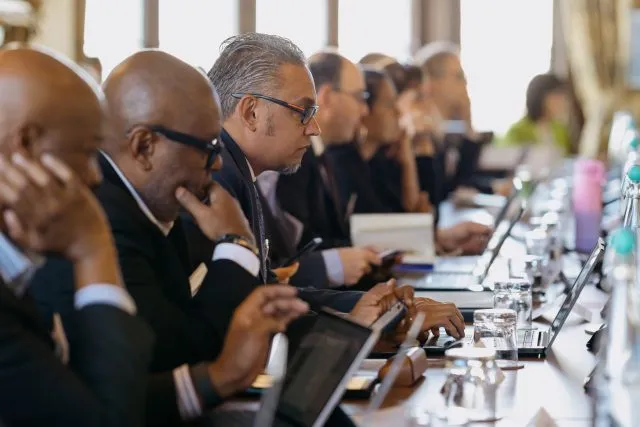
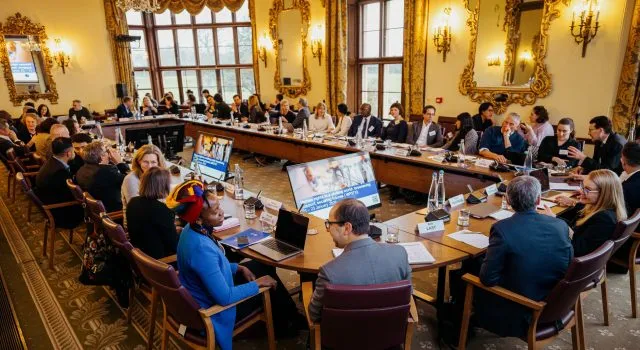
Participants talk to one another as they sit round the conference table

We’re hiring

We’re looking for a Senior Programme Director to design and convene policy retreats and exchanges on technology, artificial intelligence and international relations. If you’d like to help shape the conversations that matter, we’d love to hear from you.

Find out more and apply

Upcoming events

Women, Faith and Climate Network: Scaling Radical Collaboration

This month we are hosting leaders from women of faith networks who come together for the first meeting of the Women, Faith and Climate Network, launched at a Wilton Park meeting in Italy in 2024. The combined reach and influence of women of faith networks is enormous, with the new Network counting at least 16.8 million members, extending to over 1.4 billion people within their broader faith communities. Under discussion will be how to work together towards achieving climate goals at a time when women continue to be most impacted by climate change.

Read more


Enhancing international cooperation on cyber regulation

Rapid digitisation and rising cyber threats are exposing critical vulnerabilities across global economies, while fragmented regulations increase costs and complexity for businesses, particularly SMEs.
This dialogue aims to agree a more interoperable international regulatory landscape for cybersecurity. It will bring together governments and stakeholders from around the world to exchange views and agree next steps for future cooperation.

Read more


Catalysing sustainable finance for gender and equalities

In the context of the shifting development finance landscape, this dialogue explores how models of funding, working, and collaboration need to adapt and evolve, in order to secure progress on gender equality and women’s and girls’, disability and LGBT+ rights.

Read more


Aurora Forum 2026

In March, the Aurora Forum will take place at the Royal Over-Seas League in London. The Forum will bring together leaders from industry, government, academia and civil society, and will dovetail with a Round Table of European Ministers and State Secretaries from the UK and eight Nordic and Baltic countries, with Ministers also participating in the Forum.

This year’s themes include defence and security, geopolitics and the Arctic, inclusive economic growth, supply chains, innovation and skills, societal resilience, and energy and climate change. Given the current pace of change in world issues the themes will be confirmed nearer the event to maximise relevance.

Participation is by invitation from the Aurora Forum Steering Committee.


“Wilton Park is one of the few places where difficult truths can be spoken safely.”

Dr Emilie Medeiros, Founder and Director of Manas, reflects on a decade of trauma-informed dialogue at Wilton Park, creating safe spaces for survivors, activists and policymakers to shape global action.

Read the blog
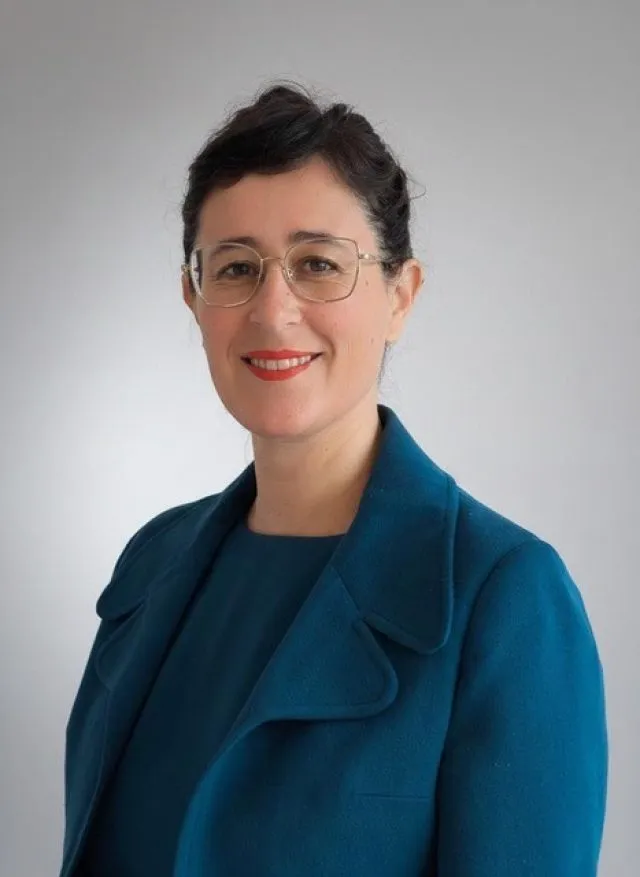
Dr Émilie Medeiros, Founder and Director of Manas, wearing a teal jacket is smiling and looking at the camera

Recent events

Social protection in fragile and conflict-affected settings

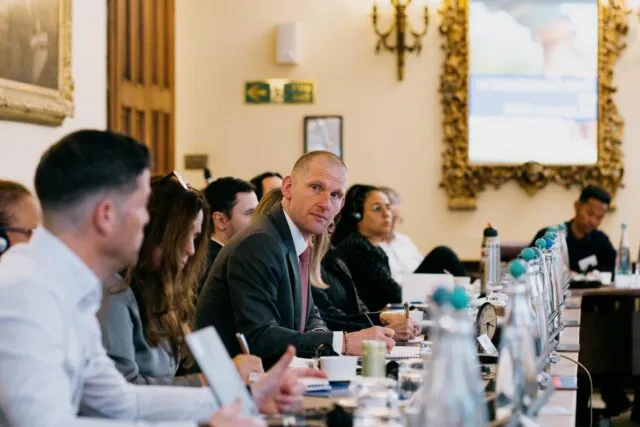
In February, Wilton Park and the UK Foreign, Commonwealth & Development Office convened 45 global and national stakeholders to advance the High Level Panel’s recommendations on social protection in fragile and conflict affected settings (FCAS). Focusing largely on financing solutions and humanitarian – development transitions – with close attention to Somalia and Syria – the group worked to align on practical strategies for strengthening social protection systems that can support stability, resilience, and sustainable development.

Social protection in FCAS remains under prioritised due to political sensitivities, fragmented financing and misaligned incentives. Discussions highlighted the need for pooled financing, context-specific approaches, and donors recalibrating their risk frameworks to enable national systems to function effectively amid turbulence.


International solutions to carbon leakage

This event sought to explore practical solutions to the challenge of carbon leakage by fostering international cooperation.

Hosted at Wilton Park, the UK Foreign, Commonwealth & Development Office (FCDO) partnered with E3G to convene policymakers, experts, and civil society representatives for three days of focused discussion on how to work together to address carbon leakage risk.


Galvanising global efforts towards the prevention of conflict

With armed conflict at its highest levels for decades, the case for prevention has never been greater.

Accordingly, global commitments towards prevention have recently been reinvigorated, most notably in the UN Pact for the Future. Yet, longstanding barriers to operationalising prevention remain and overcoming these will require enhanced collective action in addition to sustained political support.

This event fostered open dialogue to enhance collective knowledge of the challenges to prevention, and identify tangible and innovative opportunities for cooperation and onward action.


Leveraging digital public infrastructure for sustainable health system transformation

Last month, we brought together 40 leaders from 16 countries – governments, development banks, technologists, implementers – to discuss what governance, institutional capacity, technical architecture and sustainable financing are needed to ensure that Digital Public Infrastructure (DPI) for health delivers over the long-term for governments and for their populations.

View all events


Want to find out more?


Sign up to our newsletter