Over the past four decades, Transitional Justice has become a recognised international response to large-scale human rights abuses and transitions to democracy. Over this time, the field has established a relatively coherent set of mechanisms, norms and institutional practices. These efforts were underpinned by a particular political economy: growing multilateralism, strong international legal institutions, solid Western donor support, and inclusion of justice within the United Nations’ Sustainable Development Goals.
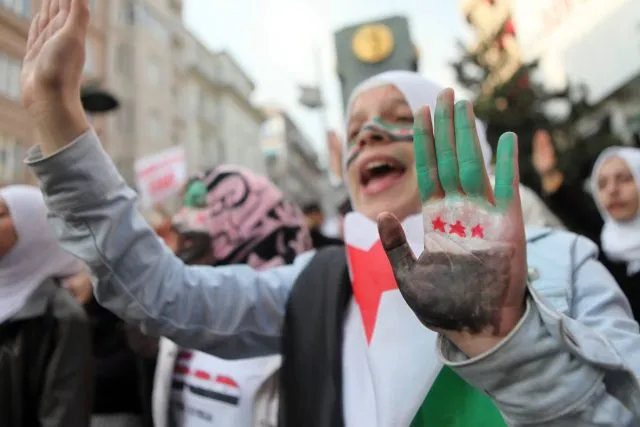
In 2026, many of these foundations are under severe pressure. Development assistance from traditional donors is declining, multilateral institutions face increasing political and financial strain, democracy is decaying, and conflicts are growing in scale and complexity. At the same time, a wider mix of state and non-state actors is shaping peace processes, creating a more diverse, politicised, and contested environment for justice.
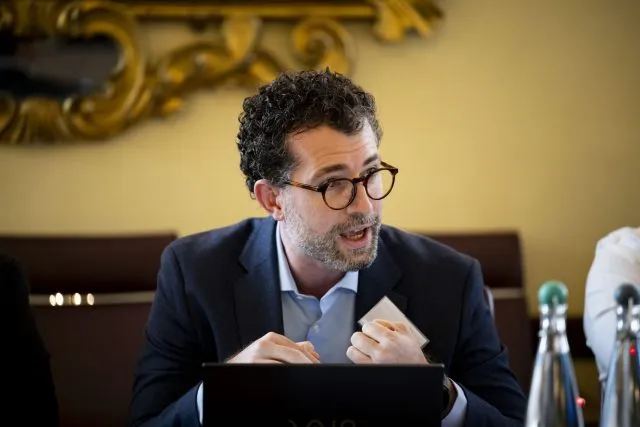
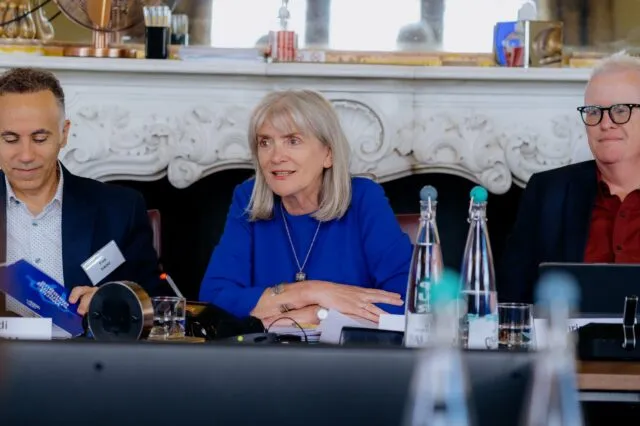
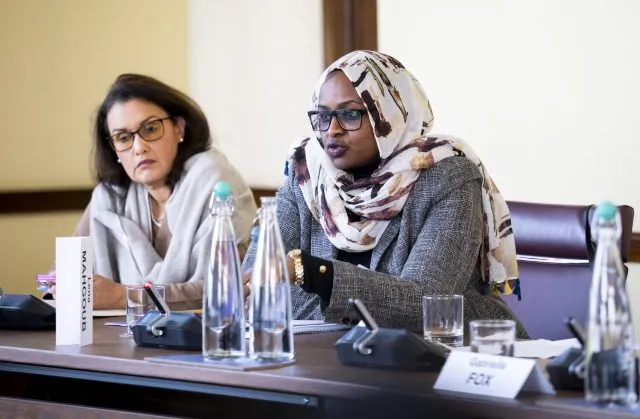
This Wilton Park dialogue will explore how approaches to justice are evolving in response. It will examine shifts in mechanisms, funding models and core assumptions, and highlight areas of innovation. It will also consider how justice can be more effectively integrated with contemporary mediation and conflict resolution efforts to support inclusive, sustainable peace.
This dialogue is being convened in partnership with the International Nuremberg Principles Academy, and Foreign, Commonwealth & Development Office.